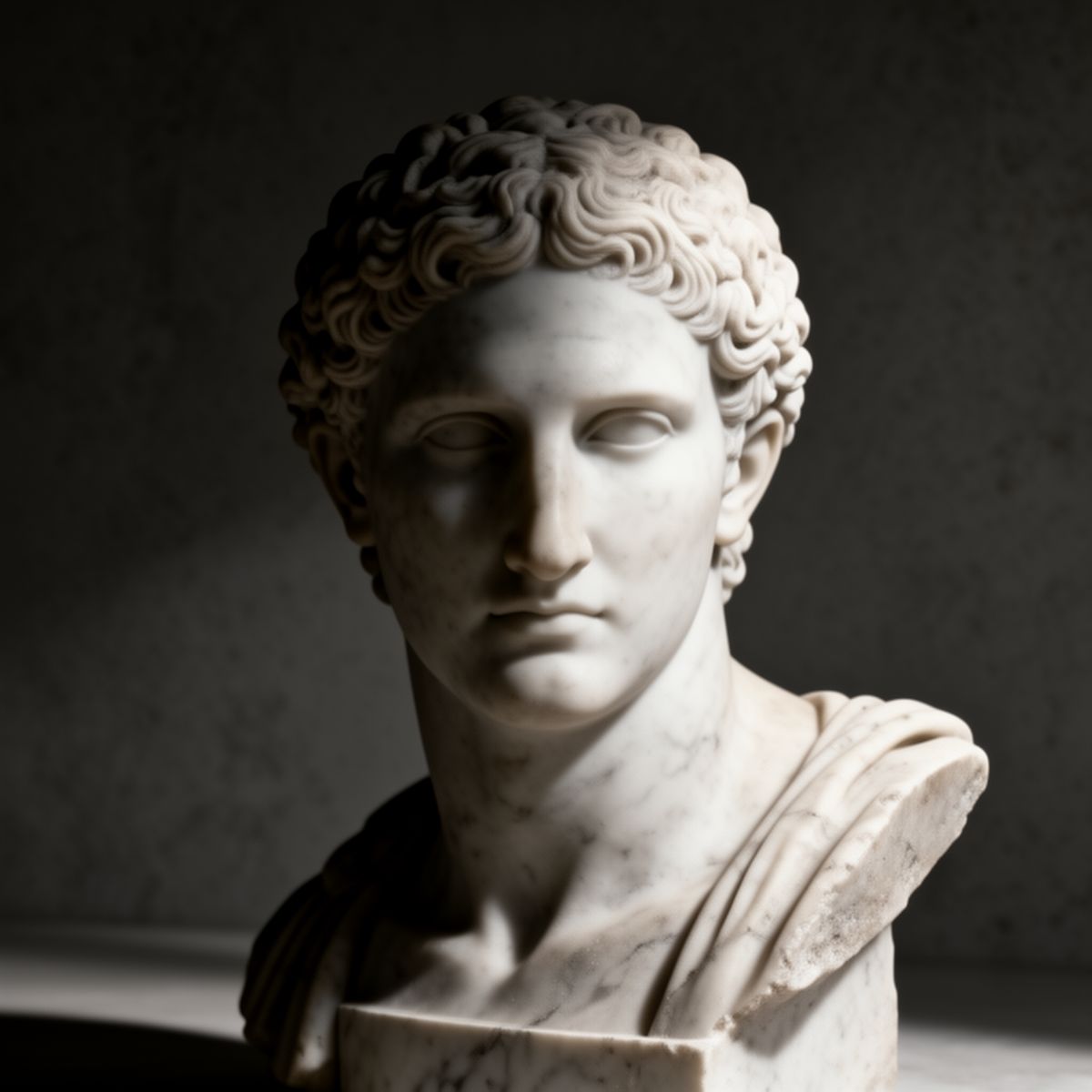

The modern man checks his notifications like a Roman patrician checking his slaves compulsively, anxiously, as if his worth depended on their report.
It does not.
Marcus Aurelius ruled an empire yet reminded himself daily: “The opinion of ten thousand men is nothing.” He understood what we’ve forgotten: that seeking validation outside yourself is to hand your peace to forces you cannot control.
The Stoics called this aprohaireton…things not within your choice. Likes, shares, algorithmic favor, the approval of strangers. You can influence these things, perhaps, but you cannot command them. And what you cannot command will eventually command you.
The False Promise of Metrics
We’ve built entire lives on sand—counting followers like currency, measuring our days in engagement rates, structuring our thoughts to please an algorithm designed by engineers in California who will never know our names.
This is not just vanity. It’s a fundamental abdication of the inner citadel.
Seneca warned against becoming “a living body with a dead spirit.” How many of us wake to notifications rather than intentions? How many construct our days around platform demands rather than our own values?
The man who needs external validation to know his worth has already surrendered the only sovereignty that matters: governance of his own mind.
What the Stoics Built Instead
The ancient Stoics built their self-worth the way a mason builds a wall—one deliberate stone at a time, checked against an internal standard, indifferent to whether anyone watches the work.
They asked themselves each evening: Did I act with virtue today? Did I respond with reason rather than reaction? Did I guard my commitments?
Not: Did people approve? Did the metrics rise?
Epictetus, born a slave, became one of history’s most influential philosophers precisely because he mastered the distinction between what’s in our control and what is not. He owned nothing, controlled nothing—except his own faculty of choice. And he built an empire of influence from that foundation alone.
Share it with other stoics
The Discipline You Actually Need
Real discipline isn’t posting every day to feed an algorithm. It’s the harder work of asking: What am I building that would matter even if no one was watching?
This requires a shift:
From external metrics to internal standards. You need a measure of a good day that exists independent of platform performance. Did you write with clarity? Did you strengthen your body? Did you keep your word to yourself? These are the only metrics that matter because they’re the only ones you fully control.
From consumption to creation. The algorithm wants you scrolling, comparing, reacting. The Stoic discipline is to limit inputs and focus on outputs. Create more than you consume. Think more than you react. Build more than you critique.
From appearance to action. Social media rewards the performance of virtue, discipline, achievement. Stoicism demands the reality. The wise man does the work in obscurity and emerges only when the work is done. Your daily discipline needs no audience.
The Test
Here’s the question that separates the disciplined from the distracted:
If every platform disappeared tomorrow, would your sense of purpose survive?
If the answer is no, you’ve outsourced your self-worth to systems designed to keep you anxious and seeking. You’ve made yourself a slave to forces that profit from your dependence.
If the answer is yes, you’ve found the Stoic center—the place where your worth is determined by your adherence to principles you’ve chosen, actions you’ve committed to, standards you’ve set for yourself alone.
Reclaim the Citadel
Marcus Aurelius wrote his Meditations never intending to publish them. They were private reminders to himself—a Roman Emperor checking his own character against Stoic principles, with no audience, no validation, no metrics.
That’s the discipline we need to recover.
Build your worth on foundations you control:
Your daily adherence to chosen principles
Your consistency in difficult disciplines
Your response when no one’s watching
Your integrity when outcomes disappoint
These are impervious to algorithm changes, platform collapses, or the shifting winds of public opinion.
The Only Validation That Matters
At the end of your days, you won’t answer to an algorithm. You’ll answer to yourself—to the person you could have become versus the person you chose to be.
The Stoics knew this. They structured their entire philosophy around it. And they became giants of thought not because they chased applause but because they built character in quiet, deliberate obscurity.
Stop checking if people are watching.
Start building what would matter even if they never were.
The algorithm will not save you. Only the discipline to become worthy—by your own measure, on your own terms—can do that.
And that work starts now, in this moment, with this choice.
As always, with no one watching but you.
The Stoic Path is a space for men committed to building worth from within. No algorithms. No easy answers. Just the ancient discipline of becoming who you were meant to be.