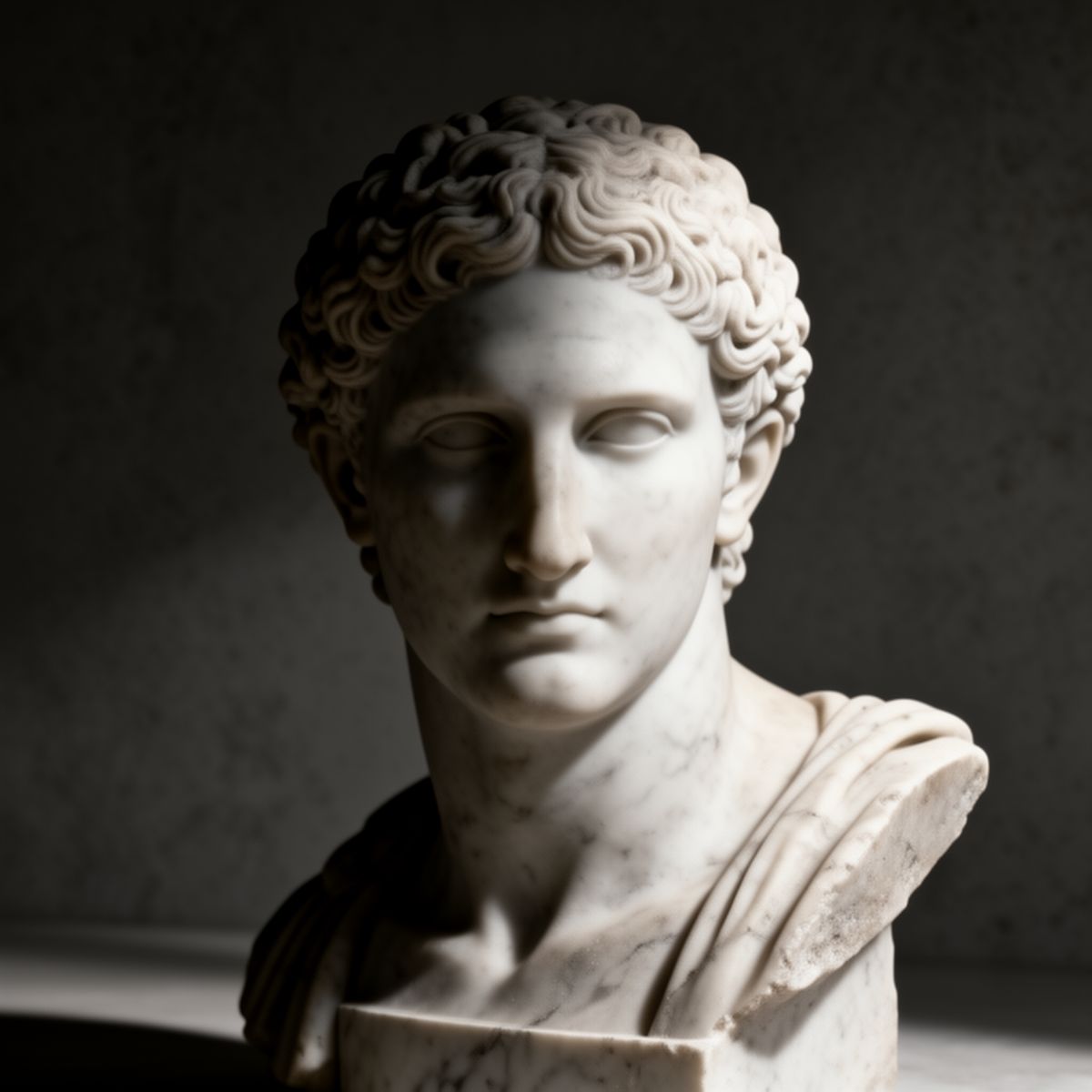

Epictetus was a slave in Rome, property of Epaphroditus, a brutal freedman who served in Nero’s court.
One day, for reasons lost to history…maybe amusement, maybe anger, maybe simple cruelty…Epaphroditus began twisting Epictetus’s leg. Slowly. Deliberately. Applying more pressure.
Epictetus, calm, looked up at his master and said: “You’re going to break it.”
Epaphroditus twisted harder.
“You’re going to break it,” Epictetus repeated, his voice steady.
The leg snapped.
Epictetus looked at him without rage, without tears, without pleading, and said simply: “I told you that you would break it.”
He was crippled for the rest of his life. He never complained about it. He never sought revenge. He never let it define him.
While Epaphroditus owned Epictetus’s body, broke his leg, controlled his physical freedom—he never touched what actually mattered.
Epictetus owned his mind. And that made him freer than the emperor himself.
He would later teach:
“No man is free who is not master of himself.”
The Only Territory That Counts
We’ve confused freedom with circumstances. We think we’re free when we have money, options, flexibility, when nobody tells us what to do, when we can do whatever we want.
The Stoics knew this was a delusion.
Real freedom isn’t having no constraints. It’s being unconquerable within the constraints you face.
Epictetus had nothing. Owned nothing. Controlled nothing about his external life. And yet he developed a philosophy of freedom so powerful that emperors would later study his teachings.
Meanwhile, Nero…who had absolute power, unlimited wealth, total control over the Roman world…was a slave to his appetites, his fears, his need for validation. He murdered his own mother. He burned Rome. He eventually killed himself in panic when his power collapsed.
Unlimited external freedom. Complete internal slavery.
That’s the distinction most men miss. You’re chasing the wrong kind of freedom.
What You Actually Control
The Stoics were obsessed with one question: What is actually in your control?
Not what you can influence. Not what you hope to control. What you genuinely, completely control.
The answer is brutally simple: your judgments, your responses, your principles, your effort.
That’s it.
You don’t control outcomes. You don’t control what others think. You don’t control the market, the algorithm, the boss’s mood, the economy, your genetics, the weather, or whether your leg gets broken by a psychopath.
But you control how you interpret these things. You control your response. You control whether you maintain your standards or abandon them.
Epictetus controlled his reaction to having his leg broken. He controlled his interpretation of slavery. He controlled his commitment to philosophy despite having no freedom to pursue it formally.
And from that tiny territory of actual control, he built one of the most influential schools of thought in human history.
Discuss Stoicism with me.
The Freedom You’re Ignoring
Most men are slaves to things they think make them free. Slaves to validation on platforms. Slaves to comfort that keeps them weak. Slaves to appetites they can’t control. Slaves to moods they don’t manage.
You tell yourself you’re free because nobody’s physically restraining you. But you can’t resist checking your phone. You can’t maintain your standards when you’re tired. You can’t control your temper when challenged.
That’s not freedom. That’s just a bigger cage.
Epictetus, literally enslaved, was freer than most men today—because he mastered the only territory that matters. The broken leg became a teaching tool. Slavery became his education. Constraints became his philosophy.
Your Leg
Something’s breaking your leg right now. Financial pressure. A body that’s failing. Work that’s not panning out. Time passing and opportunities closing.
You can’t stop it. That’s not in your control.
But your response is.
You can rage, crumble, become bitter and resentful. Or you can do what Epictetus did: maintain your composure, hold your standards, use the constraint as training, and refuse to let external circumstances touch the citadel within.
The world will break your leg. That’s guaranteed.
The question is whether you’ll let it break your mind.
Epictetus wouldn’t.
Neither should you.
The Stoic Cult: Free men aren’t born. They’re forged in constraints they refuse to resent.